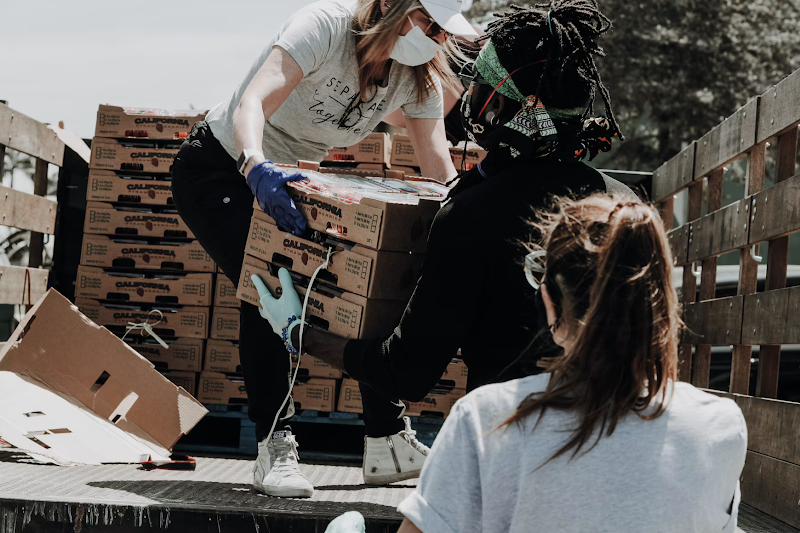
Family volunteering gives children a practical way to see how everyday actions can improve life for other people. It can also create shared experiences that feel more meaningful than another weekend spent rushing between errands. The key is to find manageable opportunities that suit your children’s ages, interests and attention spans. A two-hour litter pick or an afternoon sorting donations can have real value without overwhelming the family diary.
Choose the Right Cause Together
Start with a relaxed family chat about local issues your children already notice. They may care about a park with too much litter, animals needing care or neighbours who feel lonely. Volunteering with children works best when they have some say in the choice, so offer two or three realistic options instead of deciding everything for them.
Before committing, ask the organiser about age limits, supervision, accessibility and the length of each session. Charities often manage tight budgets, limited staff and changing demand, so understanding the wider challenges facing nonprofit organizations can help families arrive with realistic expectations. Choose one short session first, then see how everyone feels before agreeing to a regular role.
Practical Tasks for Young Children
Young children need simple jobs with a clear finish. They could decorate cards for care home residents, place tins into food bank boxes, collect safe litter with an adult or count items for a community event. Tasks lasting 20 to 40 minutes are often enough for under-eights, especially when you include a snack and a chance to move around.
Keep instructions specific. “Put every blue packet in this box” is easier to follow than “help organise the donations”. Stay close enough to guide them and let the organiser handle any task that needs training.
Evidence on childhood volunteering benefits links family service with skills such as empathy, confidence and social awareness. Children are more likely to understand those lessons when adults explain who the task helps in plain, age-appropriate language.
Behind the Scenes of Community Work
Community work includes plenty of jobs that families rarely see. Before an event opens, volunteers may prepare signs, check registration lists, pack supplies and arrange tables. Afterwards, someone must clear the space, record what was used and send thank-you messages. Older children can often help with these quieter tasks while learning that every successful project depends on preparation.
Ask the coordinator what would save their team the most time. Your family might label 100 envelopes, photograph donated books for a catalogue or prepare seed packets for a gardening group. Arrive when agreed and tell the organiser early if plans change. Reliable support matters more than grand gestures, particularly for small groups that plan each session around a limited number of helpers.
Turn Small Deeds into Lifelong Habits
Consistency helps volunteering become part of family life. Pick a rhythm your household can maintain, such as one Saturday morning every two months. Add the date to the calendar and keep the commitment short enough that it doesn’t become a source of stress.
After each activity, talk about one specific result. A child might remember filling six bags with rubbish or packing breakfast supplies for 20 people. Concrete details show that their contribution counted.
You can also create a simple family record with photos, drawings or one sentence about each session. Let children suggest the next activity and thank them for the effort they made, including moments when a job felt repetitive. Over time, helping at the community garden or sorting winter coats can become as familiar as any other family routine.
The best volunteering tradition is one your family can keep. A regular hour spent on a useful local task gives children something tangible to look forward to and gives community organisers help they can genuinely plan around.
Image Credit: Unsplash
